Home / Articles
Pigmentation After Pregnancy? Here’s How to Treat Postpartum Skin Discoloration
Home / Articles
Pigmentation After Pregnancy? Here’s How to Treat Postpartum Skin Discoloration
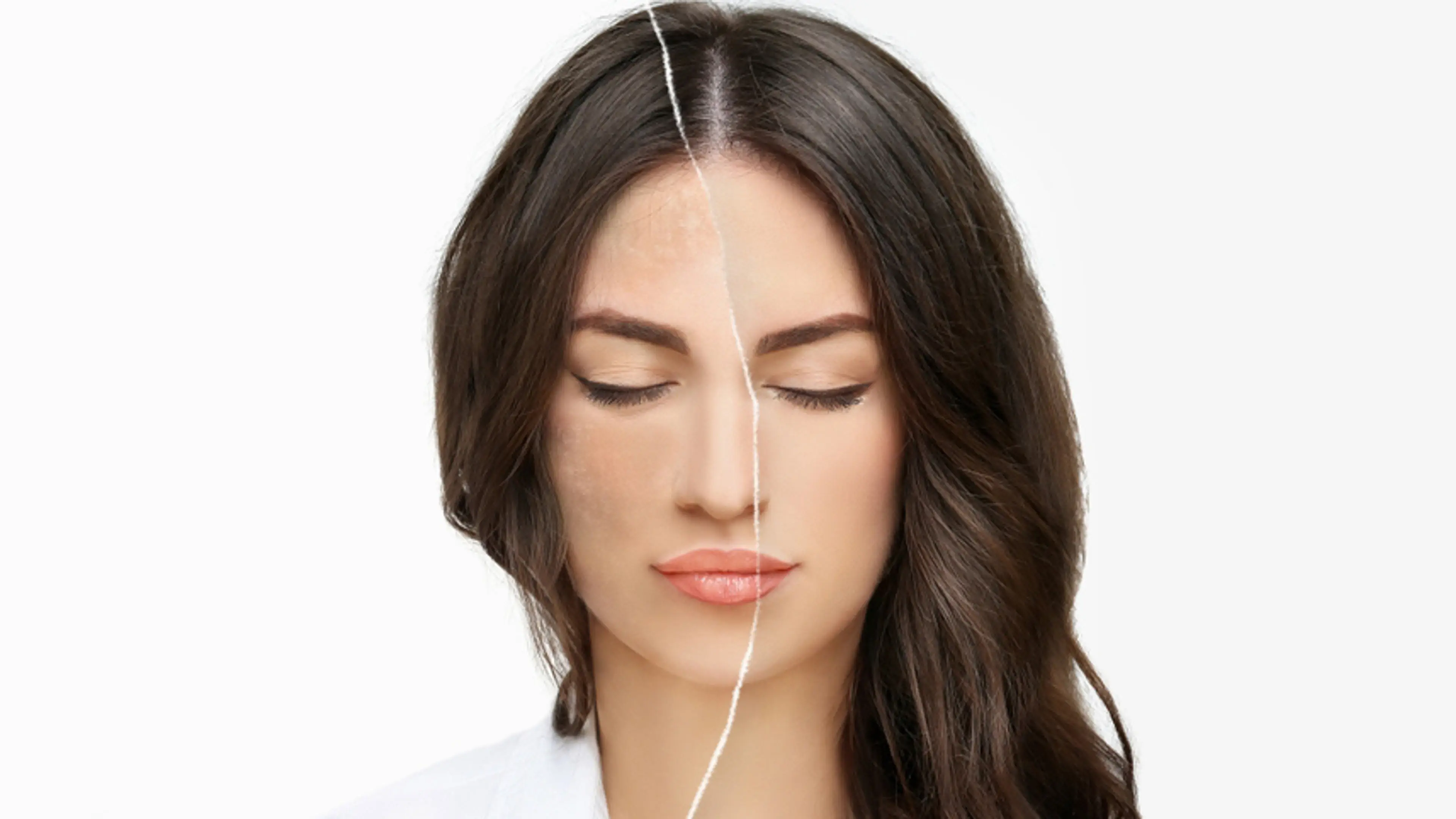
Pregnancy transforms every part of a woman’s body — and skin is no exception. While some glow with radiance, others quietly struggle with changes they didn’t expect: patchy dark spots, uneven tone, and a persistent mask-like discoloration across the face. This condition, known as postpartum pigmentation, affects many new mothers — yet it's rarely talked about openly.
At Natural Beauty Clinic in Gangnam, Seoul, we see this every week. Women from all walks of life — local professionals, new moms visiting Korea, even long-time skincare devotees — share the same concern: “Why hasn’t my skin gone back to normal?” The truth is, hormonal shifts don’t end at childbirth, and neither does the skin’s response to them. But here’s the good news — pigmentation after pregnancy is not permanent, and with the right care, your skin can absolutely bounce back.
In this guide, we’ll explain what causes postpartum pigmentation, how it behaves on different skin types (especially Asian skin), and most importantly, how to treat it safely and effectively — whether you're nursing, short on sleep, or simply looking for results without invasive procedures.
Pigmentation refers to excess melanin production — the pigment that gives skin its color. When melanin becomes overactive in specific areas, those areas look darker than the surrounding skin. After pregnancy, many women experience:
This is not just cosmetic; it reflects real hormonal and cellular changes that need time and expert care to resolve.
During pregnancy, your body produces higher levels of estrogen, progesterone, and melanocyte-stimulating hormone (MSH). These hormones tell skin to make more melanin. For some women, this results in a beautiful, even tan — for others, it leads to localized bursts of pigmentation, especially in sun-exposed areas.
After delivery, hormones slowly return to pre-pregnancy levels — but skin doesn’t always catch up immediately. Melanin that surged during pregnancy doesn’t disappear overnight. That lag is why postpartum women may notice discoloration weeks or even months after giving birth.
Some women also notice pigmentation changes on their neck, underarms, or intimate areas, as hormonal flux combined with friction can darken these zones. It’s a completely normal response, but one that many women want to address for personal comfort.
Sunlight triggers melanin production, and UV exposure is one of the biggest accelerators of pigmentation. Even everyday sun exposure — walks with a stroller, time outdoors with kids — adds up. Without proper UV protection, postpartum pigmentation can persist or deepen.
In Korea, where the ideal of "glass skin" is still deeply ingrained in beauty standards, visible pigmentation can affect a new mother's self-confidence, especially if she feels pressured to "bounce back" quickly.
Cortisol (the stress hormone) increases with sleep disruption — a near-universal postpartum experience. High cortisol can make skin more reactive and melanin more unpredictable, compounding pigmentation concerns.
Additionally, sleep deprivation hinders the skin’s ability to regenerate overnight. This prolongs inflammation and slows down melanin normalization. It’s one of the reasons some mothers feel like their skin suddenly "aged overnight" after birth.
Not all dark spots after pregnancy are the same, so it’s helpful to recognize the patterns:
Symmetrical patches, often on cheeks, forehead, upper lip
Commonly worsens in the sun
May fade slightly after pregnancy but remains stubborn
Dark marks left after acne, pimples, rash, or irritation
Smaller and more localized than melasma
Can be triggered by postpartum hormonal acne
Flat, brown spots that appear with age and UV exposure
Can become more pronounced after pregnancy
Knowing what you’re facing makes treatment more effective. For example, melasma requires a more cautious, long-term approach, while PIH often responds quickly to exfoliants and antioxidants.
There’s no one-size-fits-all solution, but effective treatment always follows these principles:
Let’s unpack each.
This cannot be overstated: if your skin sees the sun, pigmentation won’t fully improve.
Use a broad-spectrum sunscreen daily (SPF 50+ recommended)
Reapply sunscreen every 2–3 hours if outdoors
Wear a wide-brimmed hat and UPF clothing
Avoid peak sun hours (10am–2pm)
Pregnancy and postpartum skin can be more sensitive to UV, so gentle, mineral sunscreens (zinc oxide, titanium dioxide) are often better tolerated.
Even indoor daylight can trigger pigmentation — screens and windows don’t block all UV.
If there is one skincare habit to master as a new mother, it's this: apply SPF like it's medicine. Because, for pigmentation, it really is.
Always start slowly and consult a professional. At Natural Beauty Clinic, we guide new mothers on building a safe routine for their specific stage of postpartum recovery.
Melanin doesn’t disappear in days — it fades gradually. Expect 8–12 weeks or longer for visible improvement with topical therapy alone. Progress may feel slow, but the key is consistency and protection from triggers.
For many women — especially those with melasma or deeper pigmentation — professional treatments accelerate results significantly. At Natural Beauty Clinic, we tailor treatments to each person’s skin type, pigmentation depth, and postpartum timeline.
Not all lasers are melasma-friendly. That’s why experience and technology matter. Our team uses FDA- and KFDA-approved systems specifically calibrated for Asian skin tones and melanin behavior.
Peels use controlled exfoliation to fade dark spots and refresh texture. Common options include:
Peels must be spaced correctly and paired with excellent aftercare to avoid rebound pigmentation.
This technique creates micro-channels in the skin, boosting absorption of brightening serums and stimulating collagen. It’s excellent for:
uneven tone
texture irregularities
combined acne scars + pigmentation
Healing is rapid, and when paired with topical brighteners, results amplify.
Pigmentation often resists single approaches. Combining:
At Natural Beauty Clinic, we design gradual, layered treatment paths — especially for melasma — to avoid rebound pigmentation and support long-term clarity.
Modern dermatology doesn’t stop at creams and lasers. Your daily routines matter:
Poor sleep cycles raise cortisol and disrupt skin repair. Strategies that help:
Prioritize rest when possible
Gentle movement (yoga, walking)
Mindfulness or breathwork
Every bit of rest helps your skin reset. Think of it as overnight recovery for your face.
Certain nutrients can help normalize melanin activity:
We often remind patients: your skin is a reflection of your inside environment. Feed it well.
Fragranced products, harsh scrubs, and vigorous exfoliants can trigger post-inflammatory pigmentation — which is exactly what we want to avoid.
Stick to fragrance-free, pH-balanced cleansers and soothing hydrators to maintain skin barrier health.
Many women worry about safety during nursing — and rightly so.
Most lasers and peels are considered safe postpartum — but timing matters:
Wait until skin has recovered from childbirth changes
Avoid aggressive procedures in the initial postpartum months
At Natural Beauty Clinic, we tailor a post-natal skincare plan that considers breastfeeding, skin sensitivity, and personal goals. Our multilingual team is trained to walk you through each option based on your comfort and lifestyle.
Postpartum pigmentation may feel like an unwelcome reminder of your body’s recent changes — but it doesn’t have to stay that way. Whether you’re noticing melasma, post-inflammatory marks, or just an overall uneven tone, the path to recovery isn’t about perfection — it’s about reclaiming the clarity, confidence, and calm you deserve.
At Natural Beauty Clinic, we understand that every new mother’s skin — and schedule — is different. That’s why we combine world-class technology with gentle protocols and realistic timelines. From targeted laser sessions to safe, effective topicals, we help women treat pigmentation in a way that fits their lifestyle and long-term goals.