Home / Articles
My Experience with Laser Tattoo Removal: What to Expect and How It Felt
Home / Articles
My Experience with Laser Tattoo Removal: What to Expect and How It Felt
There’s a moment that many people with tattoos eventually face — the quiet realization that a piece of ink on your skin no longer matches who you are today. For me, it happened gradually. At first, I barely noticed. But over the years, each glance in the mirror made me feel a subtle disconnect. What once felt bold and meaningful had become a reminder of a past version of myself.
If you’ve ever had similar feelings, you’re not alone. At Natural Beauty Clinic in Gangnam, we see patients every week with the same story. Some are preparing for a professional career change, others want to lighten tattoos before a wedding, and many are simply ready to close an old chapter. Whatever the reason, the desire is the same: to feel at home in your own skin again.
When I decided to undergo laser tattoo removal, I was nervous. Would it hurt? Would it really work? And perhaps the biggest question: how would it feel, both physically and emotionally, to slowly erase something that had once been permanent?
Here’s my journey, what I experienced at each step, and what I’ve learned — both as a patient and as someone who has seen many others go through the same process.
A tattoo isn’t just ink on the surface — it’s embedded deep within the dermis, the second layer of your skin. Your body recognizes tattoo pigment as a foreign substance, but because the particles are too large, your immune system can’t naturally break them down. That’s why tattoos last a lifetime.
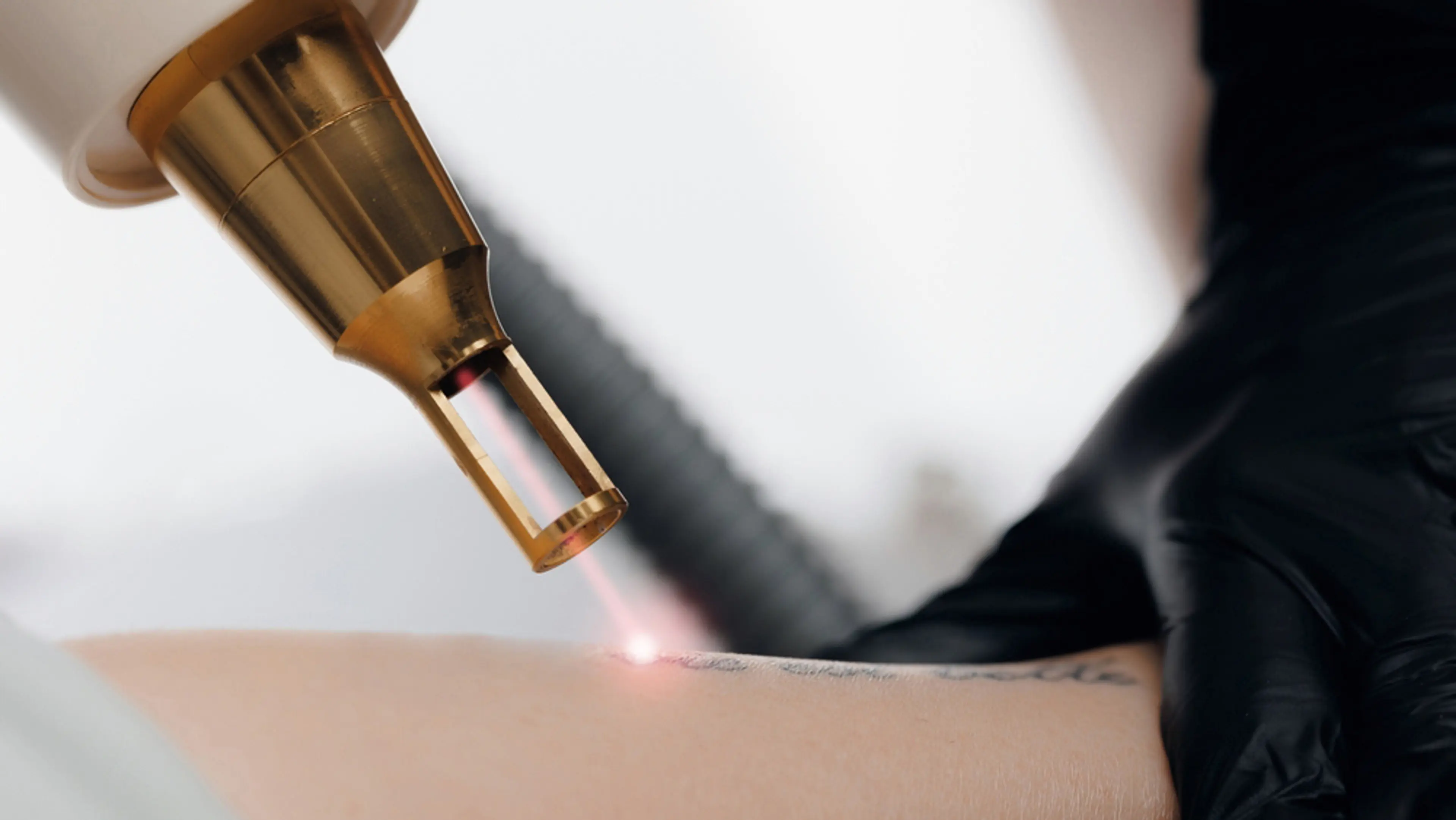
Laser technology works by sending short, intense pulses of light into the skin. The energy is absorbed by the ink pigment, which shatters into smaller fragments. These fragments are then cleared away by your body’s natural immune response over time.
At Natural Beauty Clinic, we use FDA-, CE-, and KFDA-approved Q-switched and picosecond lasers. These devices are calibrated to target pigment precisely while protecting the surrounding skin. But even with advanced technology, tattoo removal isn’t a one-time procedure. Multiple sessions are required, and results depend on several factors:
Simply put, tattoo removal is more like a journey than a quick treatment.
Walking into the clinic for my first consultation, I was both hopeful and apprehensive. I half expected to be told that my tattoo could be erased in one or two sessions. Instead, my dermatologist carefully explained the reality:
Complete removal might not be possible, but we could expect dramatic lightening.
To be honest, this honesty was refreshing. Many clinics might overpromise, but at Natural Beauty Clinic, the approach was clear: no false guarantees, just realistic expectations and a tailored treatment plan.
My dermatologist also asked about my lifestyle, sun exposure habits, and whether I had a history of keloids or hyperpigmentation. These details matter because tattoo removal isn’t just about the ink — it’s about how your skin heals and responds to treatment.
The day of my first session, I’ll admit — I was nervous. I had heard horror stories about the pain of tattoo removal, some describing it as worse than getting the tattoo itself.
Here’s what actually happened:
The tattooed area was cleaned and prepped.
The dermatologist began using the laser.
The sensation? Imagine a rubber band snapping quickly against your skin, paired with bursts of heat. It wasn’t unbearable, but it was uncomfortable — especially in areas where the skin is thinner. Each pulse was accompanied by a faint popping sound and a brief whitening of the skin, called “frosting.”
The entire session lasted less than 10 minutes for a medium-sized tattoo. For something that had taken hours to ink years ago, it felt almost surreal that the removal process was so fast.
Immediately after, my tattoo looked red, raised, and slightly frosted. The treated skin felt warm, almost like a mild sunburn. By the evening, swelling had set in, and small blisters began to form.
This is normal. The body responds to laser treatment with inflammation as it begins clearing pigment particles. I was given clear aftercare instructions:
Apply an antibacterial ointment and keep the area covered with a light dressing.
Avoid scratching or picking at scabs to prevent scarring.
Stay out of the sun, since UV exposure can worsen pigmentation.
Avoid exercise or hot showers for 24–48 hours to reduce irritation.
Within a week, the swelling subsided, and the skin began to scab lightly before healing. While my tattoo didn’t look dramatically different after one session, I noticed a faint softening of the darkest lines.
One thing I didn’t expect was the emotional journey of tattoo removal. Each session felt like peeling away a layer of the past.
For some patients, tattoo removal is about aesthetics. For others, it’s about freedom. We’ve seen patients remove names of past partners, symbols tied to old lifestyles, or tattoos that no longer feel appropriate in their professional lives.
For me, it was about realignment — allowing my outward appearance to match who I had become. Each fading line brought a sense of lightness, like I was letting go of something I no longer needed to carry.
By the second and third sessions, the fading became more noticeable. The blacks were softening into a gray, and the overall design was breaking apart.
The discomfort level stayed about the same — manageable with numbing cream and cooling. What changed was my patience. Waiting six to eight weeks between sessions sometimes felt endless.
This is where many patients struggle. Tattoo removal requires commitment. Unlike cosmetic treatments where results are immediate, this process tests your ability to wait. But each time I returned, the visible progress reminded me why it was worth it.
Most tattoos require six to ten sessions for significant fading, though stubborn colors may take more. Key factors include:
In my case, after five sessions, my tattoo was about 70% faded. My dermatologist explained that with a few more treatments, it could either disappear completely or fade enough to be unnoticeable.
While modern lasers are safe, there are risks if treatments aren’t performed by trained dermatologists. These include:
This is why choosing the right clinic matters. At Natural Beauty Clinic, every session is supervised by a board-certified dermatologist, and we only use internationally certified devices. For patients with Asian skin types, we take extra precautions to minimize pigmentary side effects.
Laser tattoo removal isn’t just about erasing ink — it’s about restoring a sense of alignment between who you are today and what your skin reflects. The process takes patience, and yes, there’s some discomfort along the way. But session by session, you begin to see not only your tattoo fade, but also the weight of old memories lighten.
For me, the journey was worth every step. What began as uncertainty became empowerment — proof that change is possible, even when it seems permanent.
If you’re thinking about tattoo removal, remember that it’s more than a cosmetic procedure. It’s a chance to rewrite your story, one treatment at a time. At Natural Beauty Clinic in Gangnam, we combine safe, dermatologist-led care with advanced FDA/CE/KFDA-certified laser systems, ensuring results that are natural and tailored to your skin.