Home / Articles
How to Treat Acne and Dark Spots Together for a More Even Skin Tone
Home / Articles
How to Treat Acne and Dark Spots Together for a More Even Skin Tone
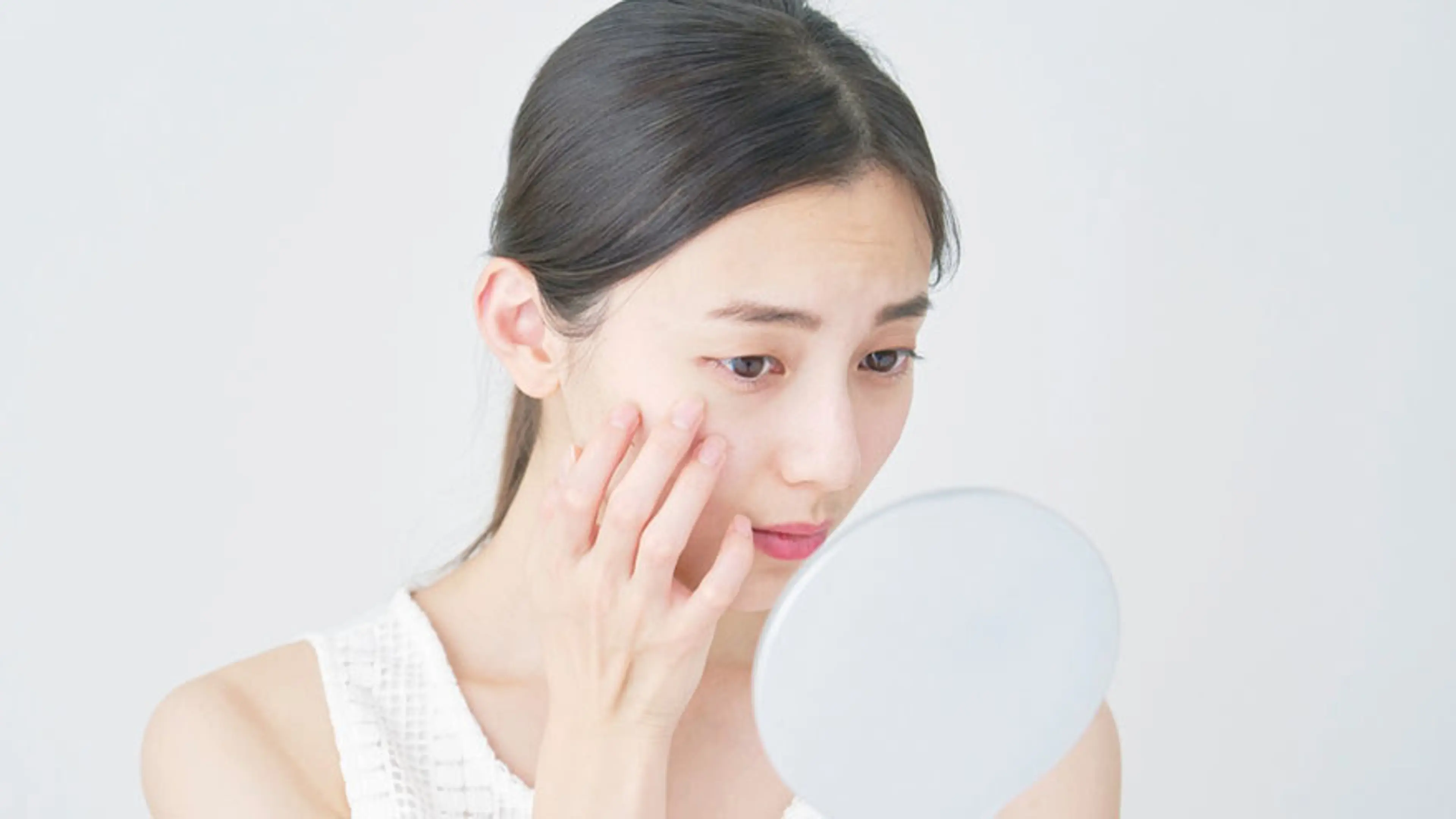
If you’ve ever felt like your skin is stuck in a frustrating loop of breakouts followed by stubborn dark marks, you’re not alone. At Natural Beauty Clinic in Gangnam, we meet patients every day who are battling not just active acne, but the shadow it leaves behind: dark spots, discoloration, and uneven tone that linger long after the pimples have healed. In Korean skincare culture, where the ideal of "glass skin" is rooted in clarity and smoothness, this dual struggle can feel especially disheartening.
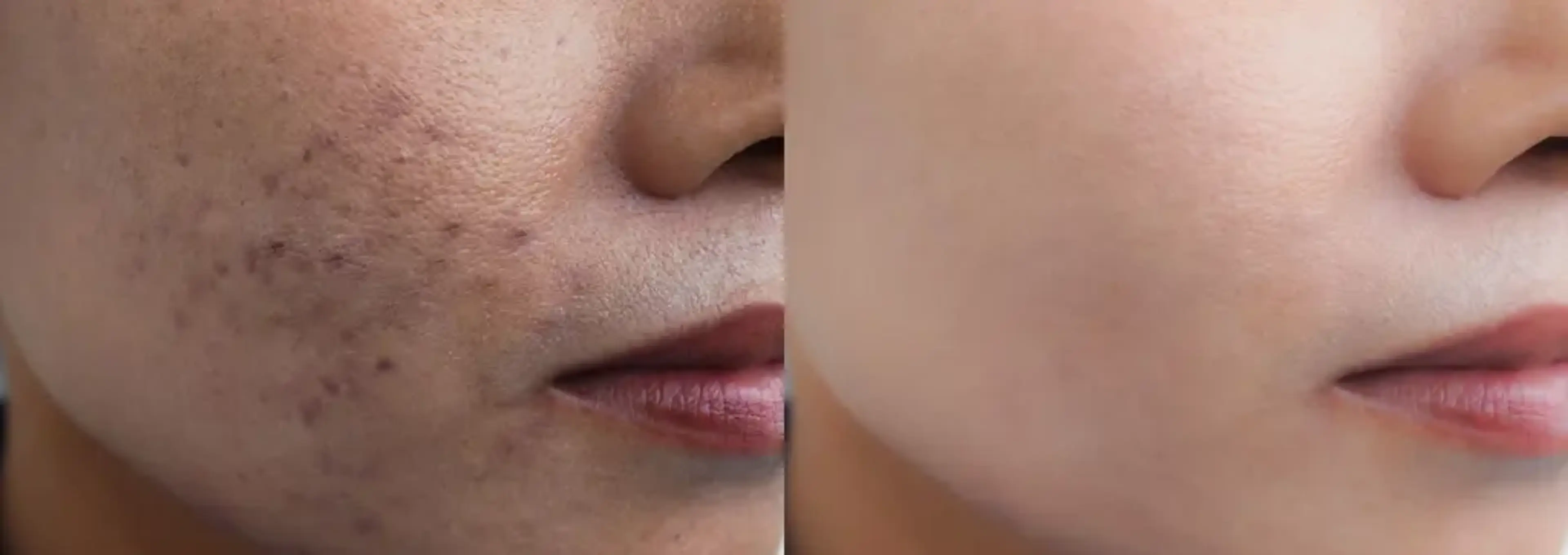
When acne occurs—especially inflamed types like papules, pustules, or cysts—your skin activates a healing response to repair the damage. During this process, melanocytes (the pigment-producing cells in your skin) often overproduce melanin as a defense mechanism. The result? Post-inflammatory hyperpigmentation (PIH): flat, brown, red, or dark gray marks where acne once was. These are not true scars but are often mistaken for them.
PIH can appear in various shades depending on your skin tone. For lighter skin, it may look pink or red, while on medium to deep skin tones, it often presents as brown, dark brown, or even bluish-gray. Unlike acne scars, which involve textural changes in the skin (such as pitting or raised keloids), PIH is strictly a discoloration issue.
This pigmentation can linger for several weeks to several months, and in some cases even longer, depending on factors such as skin tone, the depth of the original inflammation, sun exposure, and how the skin is treated during recovery. In fact, at our clinic, we often hear that the discoloration left behind is more frustrating to patients than the original breakouts themselves.
Why does this happen more frequently in Asian and darker skin tones? Melanocytes in these skin types are more active and more reactive to inflammation or injury. This means even minor acne, like whiteheads or small papules, can result in lingering pigmentation if not handled properly.
That’s why it’s critical to treat acne and dark spots together. Allowing acne to flare unchecked can perpetuate a cycle: more inflammation leads to more pigment, which in turn takes longer to treat. Treating both simultaneously breaks this cycle and protects the skin from long-term discoloration and loss of radiance.
It’s also important to understand that acne and pigmentation often share common root causes. Hormonal changes, stress, a compromised skin barrier, or even using overly harsh skincare can both trigger acne and worsen pigment production. For example, stress not only increases oil production (leading to clogged pores and breakouts) but also impairs the skin's ability to repair itself, making PIH last longer.
If you’re managing both breakouts and discoloration, your skincare routine should include ingredients that do double duty. At Natural Beauty Clinic, we favor a "layered simplicity" approach: using multitasking ingredients in the right order, with the right strength, tailored to your skin type.
These vitamin A derivatives help regulate skin cell turnover. For acne, they clear clogged pores and reduce inflammation. For pigmentation, they help fade dark marks by accelerating cell renewal. Prescription-strength options are potent but must be introduced slowly to avoid irritation. Retinoids also increase collagen production over time, helping with texture and early signs of aging.
A favorite among dermatologists, niacinamide reduces inflammation, regulates sebum, and brightens skin by inhibiting melanin transfer. It's well-tolerated and ideal for sensitive or acne-prone skin. It also strengthens the skin barrier, which is crucial when using stronger active ingredients.
Azelaic acid is a gentle powerhouse: it combats acne-causing bacteria and reduces pigmentation by inhibiting melanin production. It's especially useful for rosacea-prone or easily irritated skin. At 15% to 20% concentrations, it can significantly improve tone and texture without the harshness of more aggressive actives.
This antioxidant brightens skin and helps fade PIH by interfering with melanin production. However, it can be unstable in high concentrations and may need to be paired carefully with other actives. We typically recommend patients start with a low to mid-strength serum (around 10% concentration) and use it in the morning for UV protection support.
Alpha hydroxy acids (like glycolic or lactic acid) help lift pigmented skin cells, while beta hydroxy acids (like salicylic acid) penetrate pores to treat acne. The key is balance—over-exfoliation can worsen both acne and pigmentation. Gentle exfoliation 1–2 times per week, customized to your skin's response, often works better than daily use.
No matter what actives you use, if you're not protecting your skin from UV rays, you're undermining your results. UV exposure worsens dark spots and inflammation, and unprotected skin is more vulnerable when using actives like retinoids or acids. Physical sunscreens with zinc oxide or titanium dioxide are excellent for sensitive or acne-prone skin.
At Natural Beauty Clinic, we don't believe in one-size-fits-all solutions. Instead, we structure treatments in phases, adjusting as the skin responds. Here's a typical roadmap we might follow for someone dealing with acne and pigmentation:
Focus: Calm inflammation, restore barrier health
Gentle, pH-balanced cleanser
Non-comedogenic moisturizer rich in ceramides
Low-dose retinoid or azelaic acid for acne control
Niacinamide to soothe and begin brightening
SPF 50+ sunscreen daily, even on cloudy days or indoors
Add vitamin C serum (morning)
Adjust retinoid strength (night)
Introduce gentle AHA exfoliant (1–2x per week)
Incorporate targeted treatments (e.g. tranexamic acid)
Continue building skin tolerance and monitoring response
When home care plateaus or pigmentation remains:
Low-energy fractional laser (e.g., Fraxel Clear + Brilliant) to promote even tone
Light chemical peels (glycolic, mandelic, or salicylic) tailored to your skin tone
Microneedling with brightening serums (e.g. arbutin, glutathione)
LED light therapy to reduce redness and inflammation
Hydration facials to support recovery and barrier integrity
We base every treatment plan on in-depth skin analysis. Asian skin, for example, is particularly prone to PIH and must be treated with caution. Aggressive treatments can cause rebound pigmentation, so we prioritize gentle, progressive improvements.
Great skin isn't just about products—your habits matter too. Here are key lifestyle practices we encourage our patients to adopt:
Even with the best intentions, certain habits can delay healing or even worsen acne and dark spots:
When it comes to acne and dark spots, the answer isn’t harsher treatments—it’s smarter ones. Understanding how inflammation, melanin production, and barrier health interact is key to building a routine or treatment plan that actually works.
At Natural Beauty Clinic in Gangnam, our philosophy is simple: restore clarity through balance. Whether through a personalized home-care routine or gentle in-clinic treatments, our goal is to help your skin regain harmony—not just clear acne or fade spots, but support your long-term skin health.
If you're frustrated with recurring breakouts or lingering pigmentation, consider scheduling a 1:1 consultation. We’ll help you understand your skin’s patterns and build a plan tailored to your goals, whether you're local or visiting Korea for beauty-focused care.