Home / Articles
How I Got Rid of My Tattoos with Enlighten Laser: A Step-by-Step Guide
Home / Articles
How I Got Rid of My Tattoos with Enlighten Laser: A Step-by-Step Guide
There’s a certain thrill in getting a tattoo — the symbolism, the artistry, the commitment. But for many of us, that thrill fades over time. Whether it's a design that no longer reflects who we are, a name that belonged to a different chapter, or a placement that suddenly feels too visible, tattoo regret is more common than most people admit. I was one of them.
For years, I lived with a bold tattoo on my forearm — visible in meetings, in photos, in every glance. It didn’t feel like me anymore. I wasn’t looking for a quick fix, but I also wasn’t ready for the pain, downtime, and limitations that came with older removal technologies. After weeks of research and a few honest consultations, I found my answer: Enlighten laser, one of the most advanced, effective options available for tattoo removal.
This article isn’t a sales pitch. It’s a step-by-step account of what actually happened — from my first consultation to my final session. If you're wondering whether Enlighten laser is the right choice for your tattoo removal journey, I hope this guide gives you the clarity and confidence to move forward — because every skin story deserves a fresh start.
To understand why I chose Enlighten, it helps to know how it differs from traditional tattoo removal lasers.
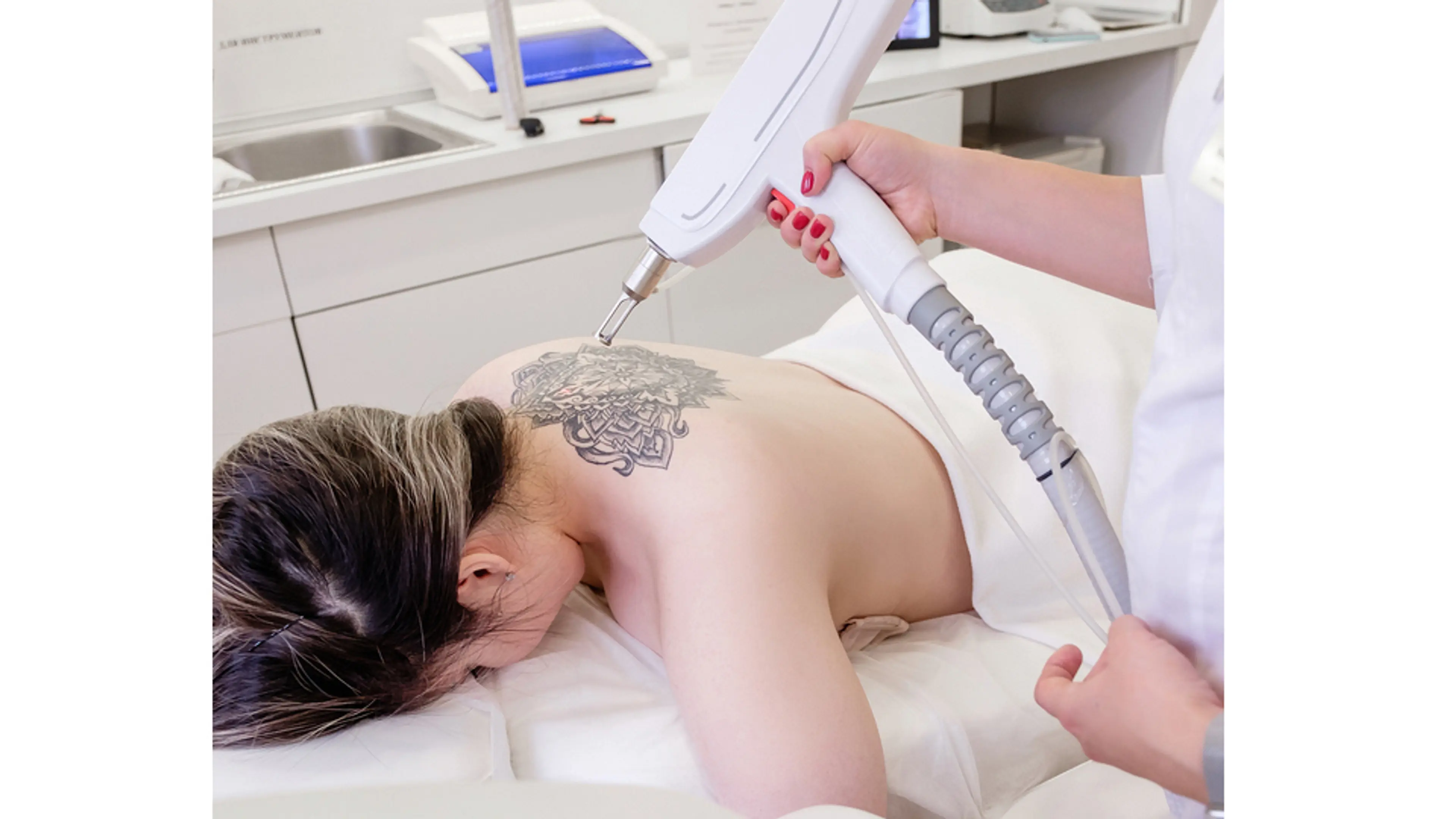
Most older laser systems use long pulses (nanoseconds) of light energy. These can break tattoo ink, but not very efficiently — especially with stubborn colors like green and blue. Compared with traditional lasers, Enlighten uses ultra‑short picosecond pulses (trillionths of a second) that shatter pigment into much smaller particles than older lasers do.
In other words: Enlighten isn’t a gimmick — it’s physics. The combination of dual wavelengths and picosecond‑pulse energy means it can target a broader range of colors more effectively than older technologies.
But technology alone isn’t the whole story — how it’s used and by whom matters. That’s why my first step wasn’t booking a session — it was booking a consultation.
The consultation is the foundation of a successful trajectory. Tattoo removal isn’t one‑size‑fits‑all — and here’s what mine covered:
We talked about my goals: a desire for significant fading with minimal downtime and as few sessions as possible. We covered expectations — early fading rather than overnight disappearance — and scheduled a plan tentatively spaced at 6–8 weeks between sessions. This spacing helps the body clear ink fragments and lets the skin fully recover.
I left that consultation feeling informed, not pressured. That clarity was important.
Preparation was simple but critical:
I stopped sun exposure to the area at least 2–4 weeks before my first session. Tanned skin competes with tattoo pigment for laser energy — and that increases the risk of pigmentation changes.
No retinoids or exfoliants near the area
Gentle cleansing only
Moisturizing to support the skin barrier
While Enlighten is often described as less painful than older lasers, it’s still laser energy — and it can feel intense to some. My clinic applied topical numbing cream about 30 minutes before each session. This made a noticeable difference in comfort.
I was nervous going in. But the actual experience was nothing like I feared.
Protective eyewear
Laser calibrated to my tattoo’s colors and skin type
Numbing cream already in place
The laser pulses felt like a rapid series of quick snaps — similar to flicking with a rubber band. The numbing cream took the edge off, and the laser moved quickly.
Importantly, Enlighten’s picosecond pulses meant minimal heat — so it didn’t feel like burning or dragging.
Right after treatment, there was:
My clinician explained that frosting comes from rapid gas expansion in the treated skin — and it usually fades within an hour or two.
This part can’t be skipped or underestimated:
Gently cleanse with lukewarm water
Apply a thin layer of healing ointment
Avoid sun exposure or sweating
No picking or scratching scabs
Moisturize daily
The first 48–72 hours felt like a sunburn. After that, some light scabbing formed — which is normal — and I let it fall off on its own.
Good aftercare minimizes side effects like blisters or excess pigmentation changes. Trust me — skipping this step actually slows progress.
You might expect dramatic changes overnight. But tattoo removal is a gradual biological process, not instant magic.
Over the next few weeks:
Dark tones faded more rapidly
Colored pigments showed patchy lightening
The tattoo looked softer, less defined
Each follow‑up consult evaluated how the ink was responding and adjusted laser settings accordingly. Some stubborn blue and green areas needed more attention. But every session made a visible difference.
Spacing sessions 6–8 weeks apart gave time for the immune system to remove ink fragments and for the skin to recover — essential for safety and outcomes.
Not all tattoo ink behaves the same under laser energy:
These faded faster than I expected — very noticeable after a few sessions.
Moderately responsive — faded steadily, though not as fast as black.
Traditionally the toughest. Enlighten did better than older lasers I had heard about, but these required patience and more sessions.
This color is notorious for resisting removal. It faded more slowly, but eventually lightened under repeated picosecond energy.
Choosing the right clinic is just as important as choosing the right laser — and in my case, that meant trusting Natural Beauty Clinic in Gangnam. Here's why.
First, the clinic isn’t just another cosmetic facility offering laser services. It’s a dermatology-led clinic specializing in advanced, non-invasive skin solutions — from pigmentation correction to lifting and acne care. When it comes to laser treatments, experience matters, especially for procedures that involve skin healing and color correction. Natural Beauty Clinic is known for using FDA, CE, and KFDA-certified devices, including the Enlighten laser, and tailoring treatments precisely to each patient’s skin tone and tattoo history.
What stood out most was the individualized care. During my consultation, Dr. Eun-young Lee and her team didn’t just assess the tattoo — they asked about my skin sensitivities, healing tendencies, and what kind of outcome I expected. That kind of 1:1 attention isn’t common. I felt heard, not rushed.
As someone with Asian skin, I also appreciated their deep understanding of how melanin-rich skin responds to lasers. This isn’t a detail to overlook — improper laser use can result in post-inflammatory hyperpigmentation (PIH) or hypopigmentation. At Natural Beauty Clinic, settings were adjusted session by session based on how my skin reacted, minimizing risks and ensuring smooth recovery.
Add to that the clinic’s Gangnam location (easy to access whether you’re a local or medical tourist), multilingual staff, and a spotless, calming environment — and it felt like a decision I could trust, not just a procedure I had to endure.
Tattoo removal is more than a cosmetic decision — it’s a reclaiming of self. For me, Enlighten laser wasn’t just about erasing ink; it was about restoring comfort in my own skin. What I appreciated most wasn’t just the cutting-edge technology or the shorter recovery time — it was the sense of control I regained with each session. Watching the tattoo fade slowly, session by session, felt like shedding an old layer I no longer needed.
If you’re considering tattoo removal, don’t rush it — do your research, ask questions, and choose a clinic that prioritizes personalized care and long-term skin health. Enlighten laser won’t make your tattoo disappear overnight, but it offers a scientifically advanced, efficient path toward fading with minimal risk and downtime.
Your skin deserves expert care — and so do you. If you’re ready to rewrite your canvas, start with a consultation. Ask about Enlighten. Ask what’s right for your skin tone, your ink, your lifestyle. Because removing a tattoo shouldn’t be about erasing your past — it should be about refining your future.