When Myths Meet the Mirror: Understanding Acne and Clear Skin
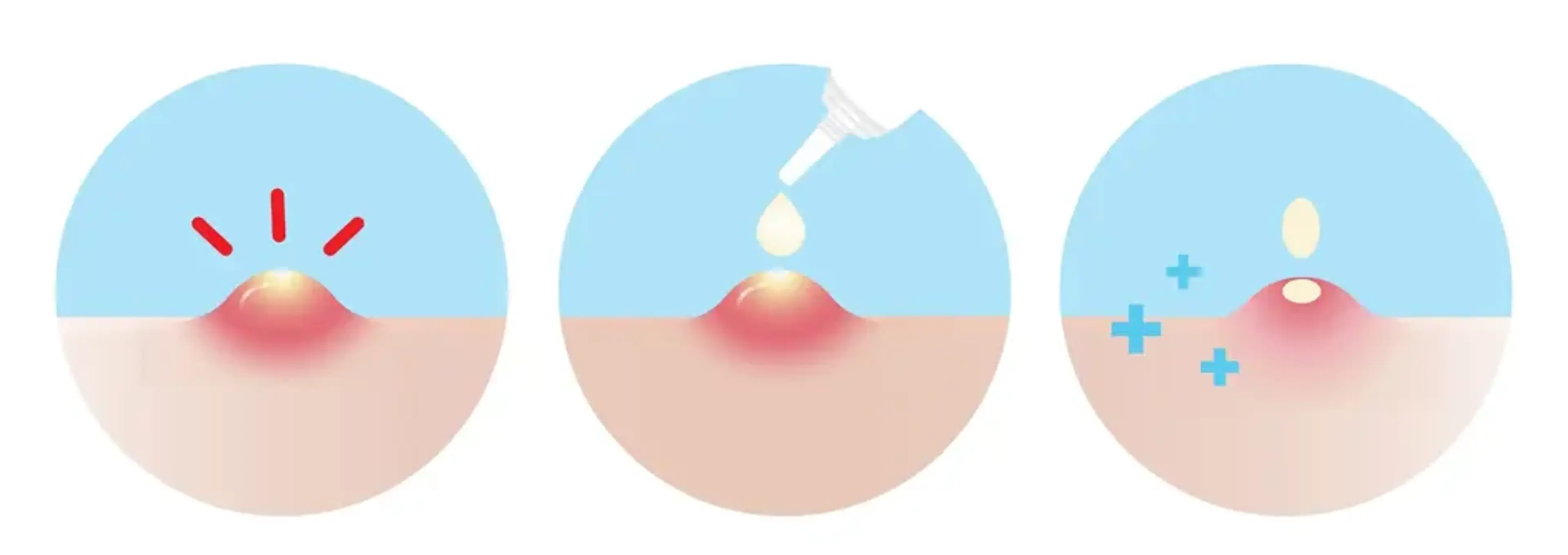
when-myths-meet-the-mirror:-understanding-acne-and-clear-skinIf you’ve ever stared at your reflection, wondering why that stubborn pimple just won’t budge—or why you’re battling breakouts long after your teenage years—know you’re not alone. Acne is the world’s most common skin condition, affecting nearly 85% of people between ages 12 and 24. Yet, despite how prevalent it is, misinformation about
acne treatments runs rampant. Here’s what we see often at Natural Beauty Clinic in Gangnam: myths that delay results, cause frustration, and sometimes even worsen skin. Let’s debunk the biggest acne-treatment myths and explore evidence-backed approaches to help you achieve—and maintain—clear, confident skin.
Myth 1: “You Must Scrub Your Face ‘Til It’s Squeaky Clean”
myth-1:-"you-must-scrub-your-face-'til-it's-squeaky-clean"Why That Harsh Cleanse Backfires?
why-that-harsh-cleanse-backfiresIt seems intuitive: more washing equals less oil, which means fewer breakouts, right? In reality, aggressive scrubbing or over-cleansing strips away the skin’s natural moisture barrier. When the skin senses dryness, it overcompensates by churning out even more sebum (oil), creating a cycle of irritation and clogged pores.
What Works Instead?
what-works-insteadGentle, pH-Balanced Cleansers: Opt for a mild gel or foam cleanser with a pH around 5.5. This preserves your skin’s acid mantle, which acts as a first line of defense against bacteria.
Two-Step Cleansing (Sensible Edition): At night, start with an oil-based cleanser to dissolve makeup and sunscreen, then follow with a gentle water-based cleanser. No abrasive brushes or gritty scrubs needed.
Listen to Your Skin: If your face feels tight or itchy after washing, you’ve overdone it. Switch to a gentler formula or cut back to once in the morning and once at night.
Myth 2: “You Can Shrink Pores with Toners and Astringents”
myth-2:-"you-can-shrink-pores-with-toners-and-astringents"The Science of Pores
the-science-of-poresPores are hair follicles lined with sebaceous glands. Their size is largely determined by genetics, hormones, and how much sebum they produce. Toners that promise to “tighten” pores at home can actually irritate skin and prompt more oil production.
What Truly Helps Pore Appearance
what-truly-helps-pore-appearanceSalicylic Acid (BHA) Exfoliation: This oil-soluble molecule penetrates sebum-filled pores, clearing debris and reducing the appearance of enlargement over time.
Retinoids: Prescription or over-the-counter retinol speeds up cell turnover, preventing clogs and smoothing surface texture—making pores look smaller.
Professional Laser or RF Treatments: At Natural Beauty Clinic, we’re often asked about non-invasive options. Fractional radiofrequency devices stimulate collagen remodeling around follicles, subtly firming skin and reducing pore diameter.
Myth 3: “Acne Is Just a Surface Problem—Treat It Topically and You’re Done”
myth-3:-"acne-is-just-a-surface-problemtreat-it-topically-and-you're-done"
Acne’s Deeper Roots
acne's-deeper-rootsWhile topical treatments are vital, acne is often driven by a mix of hormonal fluctuations, chronic inflammation, and even gut-skin axis imbalances. Ignoring the internal contributors can prolong or worsen breakouts.
A Holistic, 1:1 Approach
a-holistic-1:1-approachHormonal Evaluation: For women experiencing adult-onset acne—especially cyclical flares around menstruation—checking hormonal panels (androgen levels, insulin resistance markers) can reveal underlying triggers.
Gut Health: Emerging research highlights the gut-skin connection. A diet high in refined sugars and low in fiber may fuel inflammation. Probiotic-rich foods or supplements can support a balanced microbiome.
Stress Management: Cortisol spikes from chronic stress increase oil production and inflammatory cytokines. Simple techniques—mindful breathing, yoga, or a nightly digital detox—can make a tangible difference.
Myth 4: “The More Ingredients, the Better the Results”
myth-4:-"the-more-ingredients-the-better-the-results"Overloading Your Skin
overloading-your-skinAn overenthusiastic skincare routine—layering vitamin C, niacinamide, AHAs, BHAs, retinol, peptides, and eye creams—can overwhelm the skin barrier, leading to redness, sensitivity, and barrier breakdown. When the barrier is compromised, acne-prone skin becomes even more reactive and prone to breakouts.
Streamlined, Effective Regimens
streamlined-effective-regimensIdentify Your Core Actives
Morning:
Gentle cleanser
Antioxidant serum (vitamin C or niacinamide)
Broad-spectrum sunscreen (mineral or chemical, SPF 30–50)
Evening:
Double cleanse (oil + gentle cleanser)
Targeted treatment (salicylic acid or low-dose adapalene)
Lightweight, non-comedogenic moisturizer
Build Slowly
Prioritize Barrier Health
Myth 5: “Tanning Helps Clear Acne”
myth-5:-"tanning-helps-clear-acne"The Sunscreen Fallacy
the-sunscreen-fallacySun exposure can temporarily dry out blemishes, giving the illusion of improvement. However, UVA and UVB rays cause DNA damage and inflammation, thickening the outer skin layer (stratum corneum)—which traps oil and bacteria. Post-inflammatory hyperpigmentation (PIH) then lingers long after pimples have healed, particularly on Asian skin, where “glass skin” clarity is prized.
Sun-Safe Strategies
sun-safe-strategiesDaily Sunscreen: Visible-light protection matters just as much—look for sunscreens containing iron oxides to guard against PIH.
Antioxidant Support: A vitamin E or ferulic acid booster can help combat photo-aging.
In-Clinic Photoprotection: We frequently recommend LED phototherapy sessions post-laser or chemical peel to reduce inflammation and accelerate healing.
Myth 6: “DIY Masks and Home Remedies Beat Clinical Treatments”
myth-6:-"diy-masks-and-home-remedies-beat-clinical-treatments"
When Home Isn’t Enough?
when-home-isn't-enoughHoney, turmeric, green tea, and yogurt masks have antioxidant or mild anti-inflammatory properties—but their concentrations and pH are uncontrolled. A DIY turmeric paste could irritate skin, while an unregulated acid mask at home risks burns or barrier damage.
Why In-Clinic Treatments Excel?
why-in-clinic-treatments-excelPrecise Energy Delivery
Customized Protocols
At Natural Beauty Clinic, Dr. Lee tailors settings based on your Fitzpatrick skin type, acne severity, and downtime tolerance.
Medical-Grade Ingredients
How to Build a Clear-Skin Game Plan
how-to-build-a-clear-skin-game-planConsultation and Assessment
Tailored Treatment Course
Progress Tracking
Maintenance and Prevention
Once active breakouts calm, transitioning to maintenance sessions and seasonal tweaks (e.g., hydrating peels in winter, antioxidant boosters in summer) keeps skin balanced.
Beyond Clear Skin: The Confidence Connection
beyond-clear-skin:-the-confidence-connectionAt Natural Beauty Clinic, we believe that treating acne is about more than just blemish control. It’s about reclaiming confidence and comfort in your own skin.
Dr. Eun-young Lee and our multilingual team understand that every patient’s journey is unique—culturally, hormonally, and lifestyle-wise. We don’t “blanket prescribe” a one-size-fits-all solution; we listen to your daily routine, reflect on your skin history, and co-create a plan that feels sustainable.
Conclusion
conclusionAcne doesn’t have to be a mystery or a never-ending battle. By busting common myths—like the need for harsh scrubs, miracle pore-shrinking toners, or “one-size-fits-all” home remedies—you can focus on what truly moves the needle: gentle, barrier-supporting cleansing; evidence-based actives like salicylic acid and retinoids; and, when needed, personalized in-clinic treatments in the hands of experienced professionals. Remember, clear skin is as much about understanding your unique biology—hormones, genetics, lifestyle—as it is about finding the right products. At
Natural Beauty Clinic, Dr. Eun-young Lee and our team combine medical-grade lasers, targeted topical regimens, and a holistic approach to tackle both the surface and the root causes of acne.