Home / Articles
Acne Scars vs. Active Acne: How Treatment Differs for Each
Home / Articles
Acne Scars vs. Active Acne: How Treatment Differs for Each
If you’ve ever stared into the mirror wondering why your skin never seems to “clear up,” you’re not alone. Many of our patients at Natural Beauty Clinic in Gangnam arrive with the same concern: they see red, painful pimples one day and lingering marks the next. For some, acne feels like a cycle that never ends — active breakouts leave behind scars, and just when the scars start to fade, new blemishes appear.
The frustration often comes from a misunderstanding: active acne and acne scars are not the same condition. They may share the same origin, but they live in different phases of the skin’s journey. And because they are different, their treatments must also be different.
As dermatologists, we see one common mistake: patients want to “fix everything at once.” They might ask for strong lasers while their skin is still inflamed, or they spend money on scar creams when the real issue is active breakouts. This mismatch often delays healing and leads to disappointment.
In this article, we’ll clarify how active acne and acne scars differ — both in cause and appearance — and explain why treatment strategies must follow a careful sequence. We’ll also share how clinics like ours in Seoul approach these issues with safe, FDA/CE/KFDA-approved technologies and personalized care, so that patients achieve clear, healthy skin without unnecessary risk.
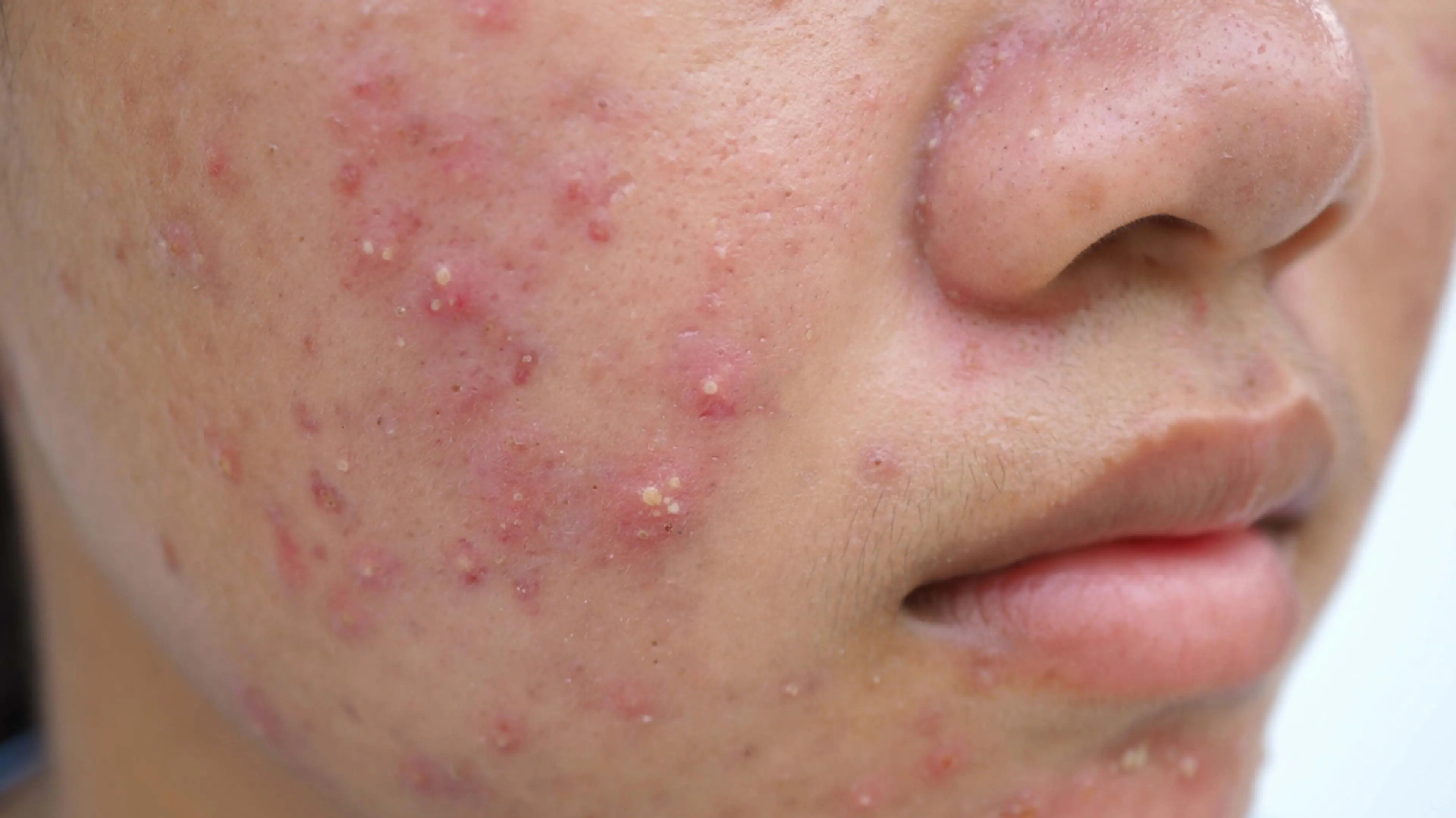
Active acne is an ongoing disease process, not just a cosmetic concern. It occurs when pores become clogged with oil, dead skin cells, and bacteria, leading to inflammation.
Red, swollen pimples (papules and pustules)
Blackheads and whiteheads (comedones)
Painful cysts or nodules beneath the skin
Oily, shiny complexion with enlarged pores
Active acne is unpredictable — one week your skin may look fine, and the next it’s breaking out again. This unpredictability makes it emotionally exhausting for patients, especially in Korea, where clear skin is highly valued in social and professional life.
Calm inflammation
Prevent new breakouts
Protect the skin barrier
In other words, we don’t attack the scars yet. We stabilize the battlefield first.
Acne scars are the footprints left behind after inflammation has damaged the skin’s deeper layers. Unlike temporary redness or pigmentation, scars are structural changes.
Types of acne scars commonly seen at Natural Beauty Clinic:
Ice pick scars (narrow, deep holes)
Boxcar scars (sharp-edged depressions)
Rolling scars (shallow, wave-like indentations)
Patients often confuse PIH with scars, but they’re different. PIH is a pigment issue, not a textural one, and responds well to pigment-targeting lasers and brightening treatments. True scars, however, need collagen remodeling.
Stimulate new collagen production
Smooth uneven texture
Fade discoloration
Unlike active acne, scar treatment requires more intensive, collagen-inducing procedures — but only when the skin is stable enough to handle them.
One of the hardest conversations we have with patients is explaining why we can’t “erase scars” while acne is still active. Here’s why:
This sequencing respects the skin’s biology — something often overlooked in DIY or over-the-counter skincare routines.
In Korea, dermatology clinics often see young patients desperate for fast results but unwilling to accept downtime. This has shaped the way we treat acne compared to Western dermatology.
IPL (Intense Pulsed Light): Reduces redness and bacterial activity.
Blue light therapy: Targets acne-causing bacteria.
Gentle Nd:YAG laser protocols: Calm inflammation and regulate sebaceous activity.
At Natural Beauty Clinic, we combine FDA- and KFDA-certified acne laser protocols with individualized skincare regimens. Patients appreciate that they can return to work or school the next day without noticeable redness or peeling.
Once acne is stable, scar treatment begins. Korean dermatology is globally respected for scar management because we specialize in subtle, layered improvements over time, rather than overly aggressive one-time fixes.
At Natural Beauty Clinic, we rarely rely on just one machine. For example:
A patient with rolling scars may receive microneedling RF and subcision.
Someone with mixed scars may benefit from alternating CO2 laser with Pico toning.
Patients with Asian skin types require careful adjustment to avoid post-laser pigmentation — something we prioritize heavily in our protocols.
In Korea, flawless “glass skin” is not just an aesthetic preference — it’s often tied to confidence, career, and social interactions. Patients often tell us: “I don’t mind a few freckles, but acne scars make me feel unkempt, like I don’t take care of myself.”
Unlike in some Western cultures where minor scars may be considered normal, Korean patients — especially young adults — prefer smooth, even-toned skin. This cultural expectation explains why scar treatments are extremely popular here, and why many patients seek help earlier rather than waiting years.
Another key factor is lifestyle: busy professionals and students can’t afford long downtime. That’s why Korean clinics have developed protocols that balance power and gentleness — effective enough to remodel scars, but staged carefully to allow a quick return to daily life.
At Natural Beauty Clinic, patients often ask:
The biggest lesson when it comes to acne and acne scars is this: your skin heals in phases, and your treatment should too. Trying to rush the process often leads to setbacks.
At Natural Beauty Clinic in Gangnam, we believe in enhancing natural beauty through careful sequencing: first calming the storm of active acne, then methodically repairing scars with advanced but gentle technologies. This approach respects not only the skin’s biology but also the patient’s lifestyle — because confidence should grow steadily, not be compromised by unnecessary risks.
If you’re struggling with both breakouts and lingering scars, don’t feel discouraged. With expert guidance, your skin can heal step by step. Schedule a consultation with us, and we’ll design a treatment journey that brings your skin closer to clear, radiant, and naturally beautiful.